Editorial update: September 26, 2026
On this page
WHY THIS MATTERS
Everyday habits shape metabolic health
Metabolic health includes how your body handles energy, blood glucose, blood fats, and blood pressure. Repeated food and activity habits influence these measures over time.
A varied, sustainable eating pattern supports daily nutrition. Meal planning, useful feedback, and professional guidance can help adapt that pattern to your needs.
- Build meals you can repeat and enjoy.
- Consider overall nutrition and your health needs.
- Use tracking for a defined question.
Getting started
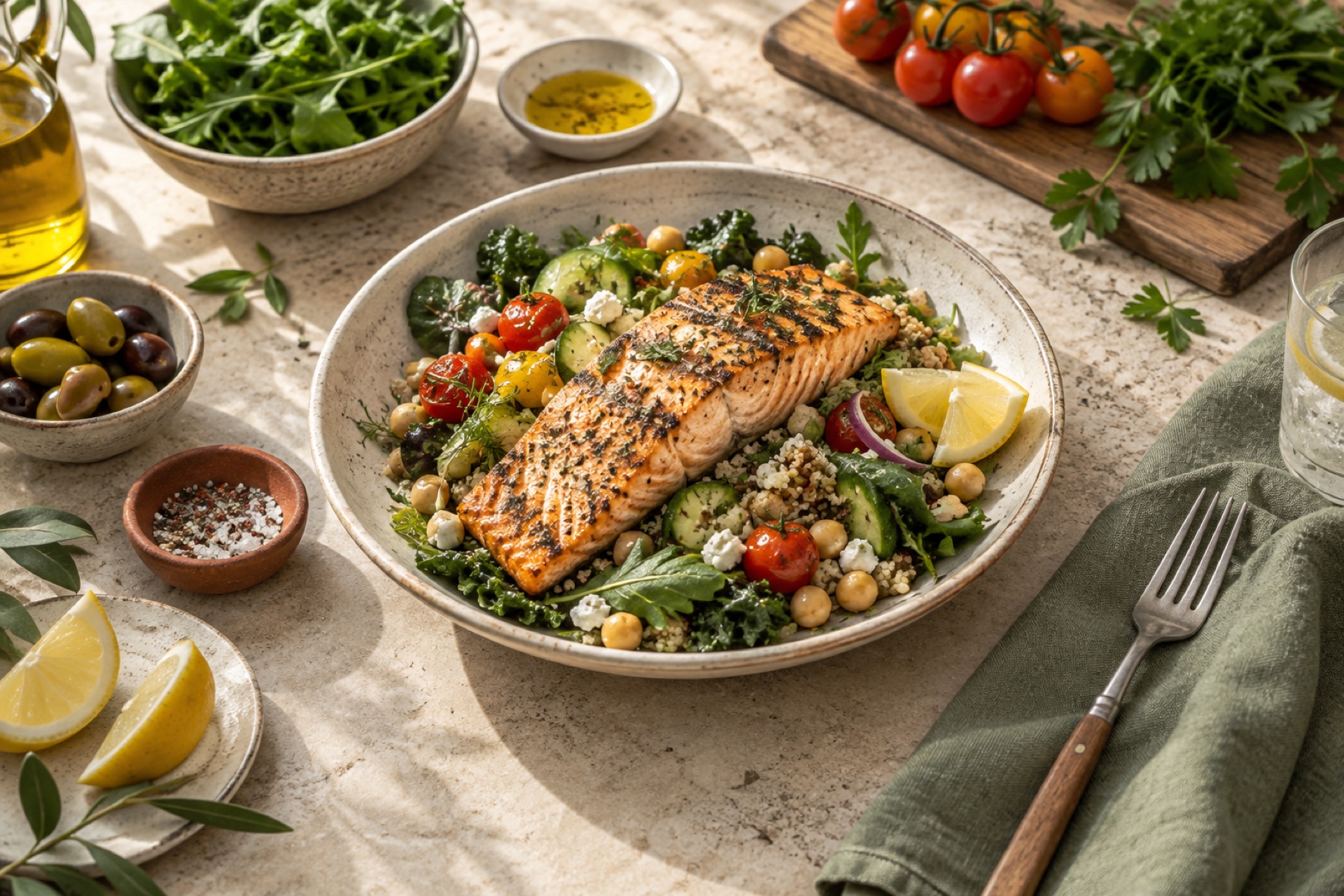
Build meals around a variety of minimally processed foods, including vegetables, fruit, legumes, whole grains, and protein sources that fit your needs and preferences. Meal planning can make those choices easier when time is limited.
Try one practical change: plan a few repeatable meals, keep convenient ingredients available, or notice whether long gaps between meals affect your choices. Individual nutrition needs vary with activity, age, medical conditions, and other circumstances.
Why consistent habits matter
Structured lifestyle programs can produce meaningful outcomes. In the Diabetes Prevention Program, an intensive lifestyle intervention lowered the risk of developing type 2 diabetes in adults at high risk. That finding supports sustained support and behavior change; it does not prove that a particular app produces the same benefit. [1]
A Mediterranean-style eating pattern also has trial evidence for cardiovascular benefit in adults at high cardiovascular risk. Those findings concern an overall eating pattern in a defined population, rather than a single food or supplement. [2]
What about glucose tracking
A continuous glucose monitor estimates glucose in the fluid beneath the skin. It can show patterns, but those readings need context. A rise after eating is a normal physiological response, and a flatter graph is not the only measure of a healthy diet.
Not everyone needs a glucose sensor. Its usefulness depends on the health question, the device's intended users, and whether the information changes a worthwhile decision. If you use one, discuss unexpected readings or medication questions with a clinician rather than treating an app score as a diagnosis. [4]
Before you choose a program
Look for an approach you can sustain, clear costs, and realistic expectations. Be cautious about guaranteed results, mandatory supplement bundles, or a plan that treats one number as the whole picture. Pregnancy, kidney disease, diabetes medicines, and an eating-disorder history can change what is appropriate for you. [3]
ACCOUNT BENEFITS
Partner offers for your routine.
Explore available partner offers with a free Reserve account.
View partner offers →