Editorial update: September 26, 2026
EXPLORE RECOVERY
Heat, cold & light
Explore these complementary approaches, including how they work, practical considerations, and the limits of the evidence.
On this page
WHY THIS MATTERS
Make room for recovery
Recovery gives your body time and resources to respond to exercise and everyday demands. Sleep, nutrition, and manageable training loads support a sustainable routine.
Gentle movement and relaxation may help with comfort and unwinding. Match optional tools to a practical goal and assess persistent pain or fatigue with a clinician.
- Protect sleep, food, and rest.
- Include comfortable movement and downtime.
- Judge progress by daily function.
Getting started
Start with adequate sleep, enough food for your activity, and a training schedule that leaves room to recover. An easy walk, comfortable movement, or a quiet break may be a useful starting point.
Keep track of how you feel and what you can do. Persistent fatigue, worsening performance, or pain that changes your movement may need more attention than another recovery device.
Mobility & Gentle Movement
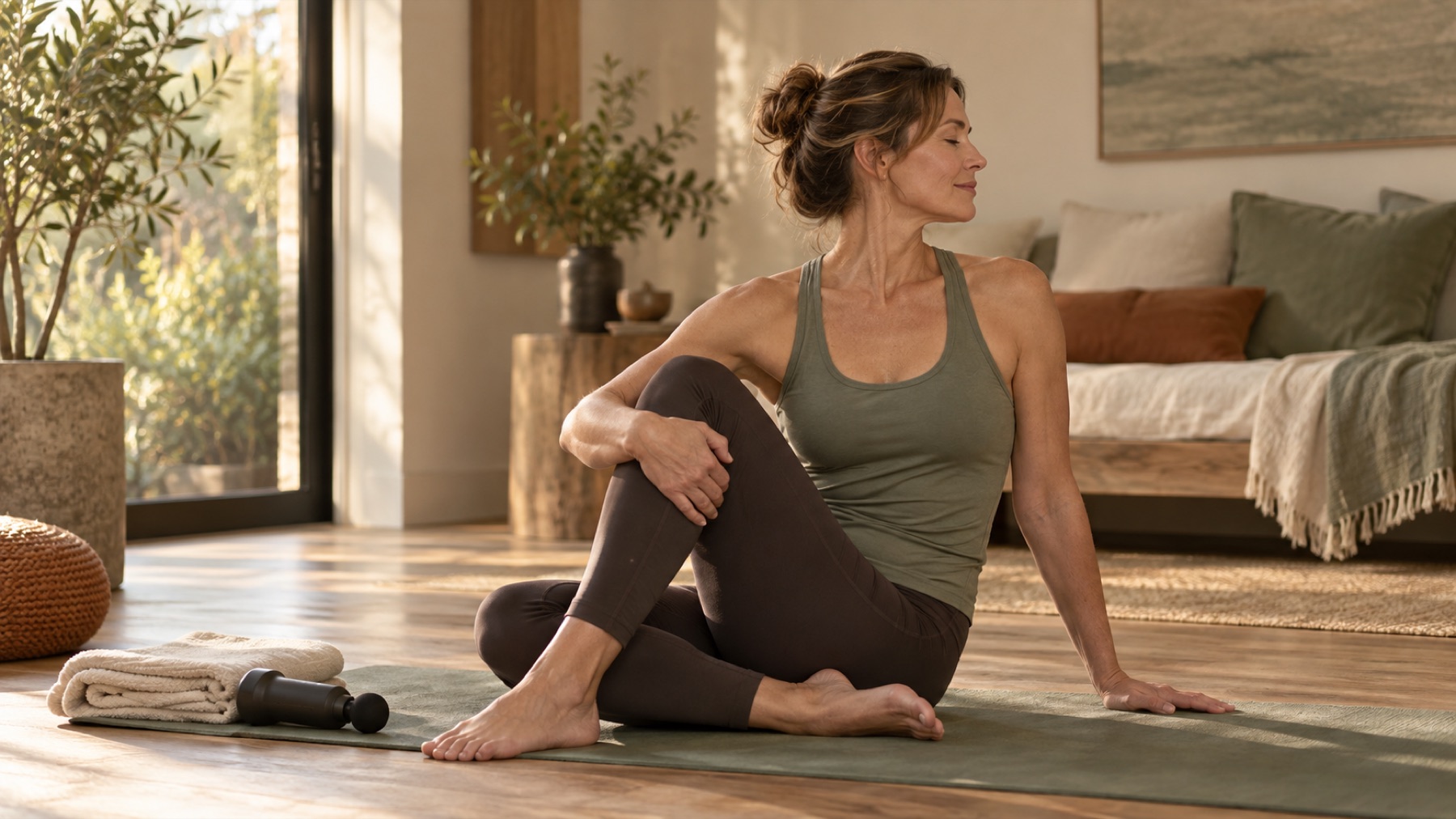
Mobility is the ability to move your joints through an available range with control. Flexibility contributes to that range, while strength and coordination help you use it. In a recovery routine, gentle movement offers a chance to practice comfortable motion and notice areas that feel stiff after sitting or training.
A practical place to begin: Warm up with 5–10 minutes of easy walking or another light activity before stretching. Then try a few slow shoulder circles, ankle movements, or comfortable hip rotations. Keep movements controlled and within a range that feels easy. For a gentle stretch, breathe normally and look for mild tension; avoid bouncing or pushing into pain. This should feel like a manageable break, rather than another demanding workout. [2]
What it may help with: Regular stretching can improve flexibility and joint range of motion. Foam rolling may also improve range of motion temporarily and reduce perceived muscle soreness in some settings. Neither stretching nor rolling reliably prevents all soreness or injuries, and temporary relief does not demonstrate faster tissue healing. Choose movements that help you function comfortably and repeat them consistently. [2, 3]
Tools to explore: A non-slip mat makes floor movements more comfortable. A stretching strap can help you reach a position without forcing it, while a stable chair or wall provides support. A foam roller or soft massage ball can apply gentle pressure to muscle areas when comfortable; avoid direct pressure on joints, a new injury, or unexplained swelling. These are optional aids—you can begin with simple movement and no equipment.
Stop if movement causes sharp pain, tingling, numbness, or worsening symptoms. Persistent limitations or an injury may benefit from a physical therapist’s assessment. For building strength and control through movement over time, explore the Strength & Fitness guide.
How relaxation tools work
Wearable vibration devices deliver gentle patterns of touch. The idea is to provide a sensory cue that may help someone settle or unwind. That experience is different from proving that a device treats anxiety, heals an injury, or permanently changes the nervous system.
What the evidence supports
Early research includes small studies of particular vibration patterns and device designs. One research prototype study enrolled 20 participants to compare adaptive vibration rhythms. These findings do not establish that every commercial vibration wearable improves recovery. [4] These tools should not carry guaranteed recovery or medical-treatment claims.
Judge a relaxation tool by a clear personal goal, such as whether it helps you settle into a regular evening routine. More favorable wearable scores alone are not proof of better recovery.
Muscle comfort and movement
Massage devices apply repeated mechanical pressure. Some people enjoy the sensation, but temporary comfort should not be confused with faster healing. In one controlled study, massage-gun use after exercise did not improve the tested recovery outcomes. Results depend on the technique, setting, and outcome being measured. [1]
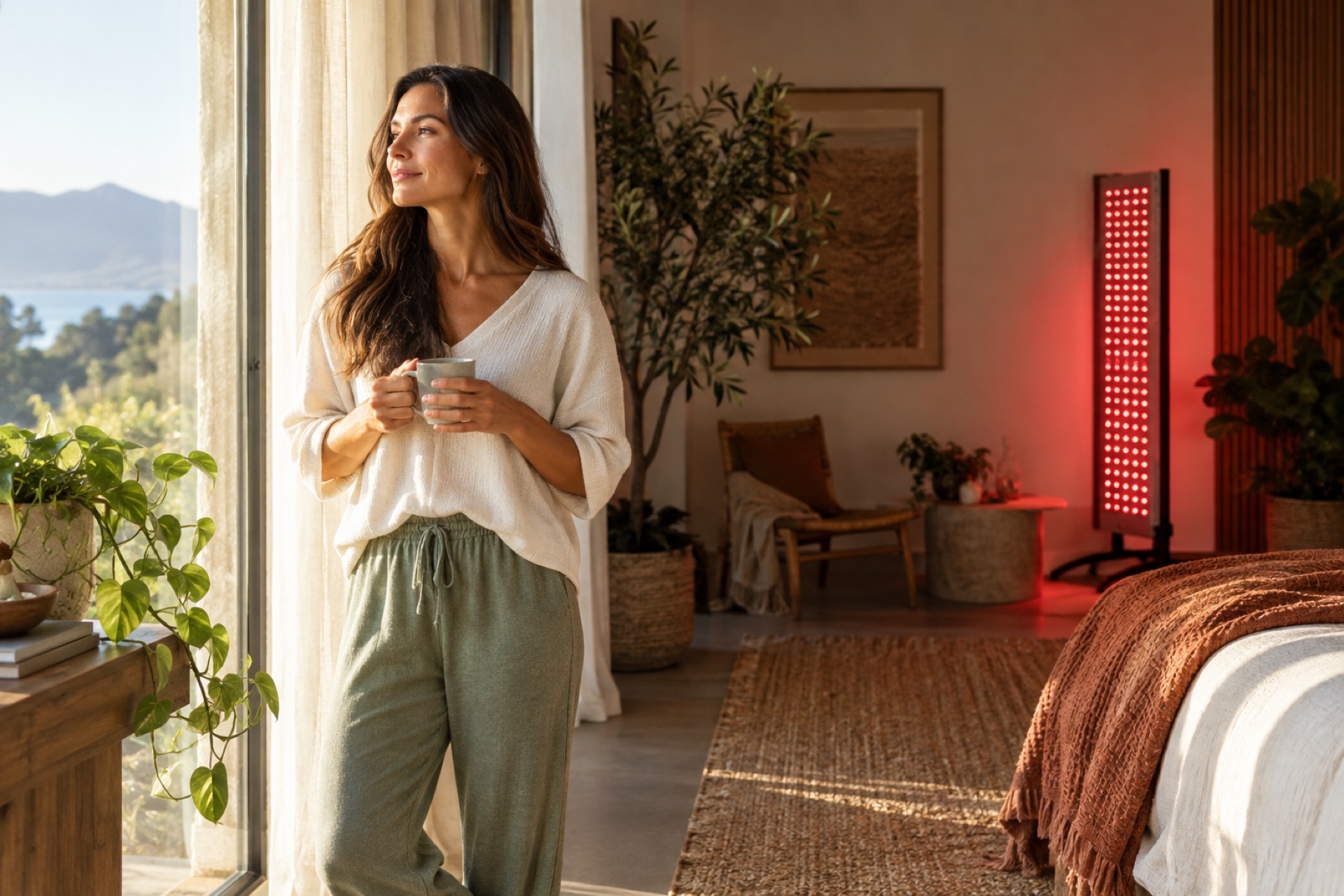
Targeted red and near-infrared devices are a different modality. Our Light page explains how they work and why findings from one device or condition may not transfer to another.
Before you choose
Compare comfort, setup, cleaning, ongoing fees, and return terms. A tool is easier to evaluate when you use it consistently for a defined purpose rather than adding several devices at once.
Follow the manufacturer's placement and intensity instructions. Avoid applying percussion over a new injury or unexplained swelling without guidance. Stop if a device causes pain, numbness, or skin irritation. Persistent or worsening symptoms deserve assessment rather than repeated self-treatment.
ACCOUNT BENEFITS
Partner offers for your routine.
Explore available partner offers with a free Reserve account.
View partner offers →